
A Guide to Safe and Effective Pregnancy Exercise
Data from the American College of Obstetricians and Gynecologists reveals that regular movement during those nine months lowers the risk of gestational diabetes by around 30 percent. It also drops the rate of cesarean deliveries. Staying fit during gestation matters for maternal health and the growing baby. A safe pregnancy exercise schedule keeps excessive weight gain in check. It helps you sleep better. It also builds the physical stamina needed for labor. The rewards of regular pregnancy exercise reach far beyond mere fitness. They speed up postpartum recovery and support emotional health. This guide offers a clear, evidence-based plan for physical activity, focusing on specific movements for every stage of your journey.
Why You Need a Structured Pregnancy Exercise Program
A structured pregnancy exercise program triggers body-wide adaptations to help you carry the extra load. Your blood volume surges by up to 50 percent during these months. This forces your heart to work much harder. Regular movement boosts stroke volume and cardiac output. This helps your heart manage the extra load. Staying active also improves how your body handles insulin, which wards off gestational diabetes. Research in the American Journal of Obstetrics and Gynecology shows that active mothers spend less time in active labor. They also face fewer delivery complications than those who stay sedentary. Target core and pelvic floor work also curbs lower back pain. This is a common issue that plagues over 60 percent of expectant mothers.
First Trimester: Safe Pregnancy Exercise Rules for Early Gestation
The first trimester, covering weeks 1 through 13, brings rapid embryo growth and huge hormonal shifts. Fatigue and morning sickness will likely disrupt your usual routine. Still, moving your body remains highly helpful. Walking briskly for 30 minutes every day is a perfect starting point. It keeps your heart healthy without putting stress on your joints or pelvis. Another key part is working on your pelvic floor early on. Doing three sets of ten slow squeezes daily supports your bladder and uterus. Avoid dehydration and getting too hot. Drinking eight to ten ounces of water before, during, and after your pregnancy exercise sessions is vital to keep your core temperature safe. Keep your effort level moderate. Aim for a 12 to 14 on the standard 20-point Borg scale of physical exertion.
Second Trimester: Shifting Your Pregnancy Exercise Routine
Weeks 14 through 27 bring a welcome return of energy. However, your center of gravity shifts forward. This shift arches your lower spine, which strains your lower back. To avoid issues like supine hypotensive syndrome, stop lying flat on your back after week 16. In that position, the heavy uterus presses down on the inferior vena cava. This blocks blood flow to your heart and baby. Stationary cycling is a brilliant alternative. It gives you a great sweat session without pounding your joints. Wall push-ups and seated rows keep your upper body strong. This strength is vital for carrying your newborn. Adapting your pregnancy exercise routine during this stretch might mean wearing a supportive belly band to ease pelvic pressure. Focus on slow, controlled movements rather than sudden turns.
Third Trimester: Low-Impact Pregnancy Exercise for Delivery Prep
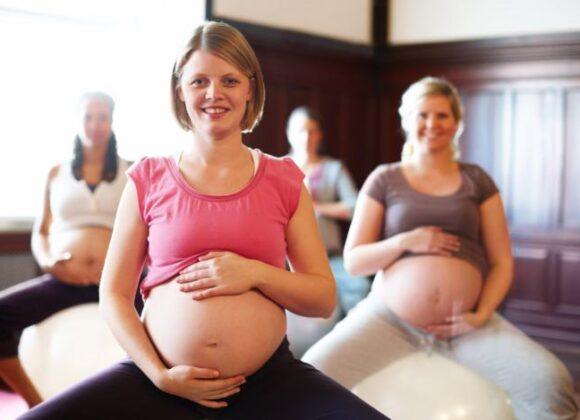
During weeks 28 through 40, your body floods with relaxin. This hormone softens your ligaments to let your pelvis stretch during birth. It also makes your joints loose and unstable, meaning high-impact moves are off-limits. Swimming and water aerobics are the ultimate choices here. Water supports up to 90 percent of your weight. This removes pressure from your spine, hips, and knees. It also stops fluid from pooling in your ankles. Doing squats against a wall with a stability ball is another excellent move. This builds strength in your thighs and glutes while opening up the pelvic floor. Sticking to a low-impact pregnancy exercise plan in these final weeks keeps you moving, eases aches, and helps the baby settle into the right spot for birth.
Key Safety Precautions for Your Pregnancy Exercise Routine
Activity is wonderful, but safety comes first. Listen to your body and know when to stop. The old advice to keep your heart rate under 140 beats per minute is outdated. Instead, use the talk test. You must be able to hold a conversation while moving. If you gasp for air or cannot speak, back off. Certain medical conditions make physical activity unsafe. These include an incompetent cervix, placenta previa after 26 weeks, or preeclampsia. Stop all movement immediately and call your doctor if you experience any of these signs:
- Vaginal bleeding or leaking fluid
- Regular, painful contractions
- Dizziness, lightheadedness, or feeling faint
- Chest pain or shortness of breath before you even start
- Sudden swelling in your calves, hands, or face
- Severe, ongoing headaches
Building Lasting Health with a Pregnancy Exercise Plan
Staying active during these months with a clear, phase-by-phase plan protects your body and yields the best results. Keep an eye on how hard you work, drink plenty of water, and adapt your moves as your belly grows. This supports a healthy gestation and readies you for birth. The main steps are:
- Aim for 150 minutes of moderate aerobic activity weekly, broken into 20 to 30-minute blocks.
- Use the talk test to monitor effort, keeping the pace easy enough for conversation.
- Swap high-impact workouts for low-impact options like swimming and stationary cycling as your due date nears.
- Do daily pelvic floor squeezes to support your inner organs and ease postpartum recovery.
Putting a steady pregnancy exercise habit first supports expectant mothers, creates a healthy environment for your baby, and lays a solid foundation for your recovery. Always talk to your healthcare provider before starting any new movement plan to make sure it fits your medical history.